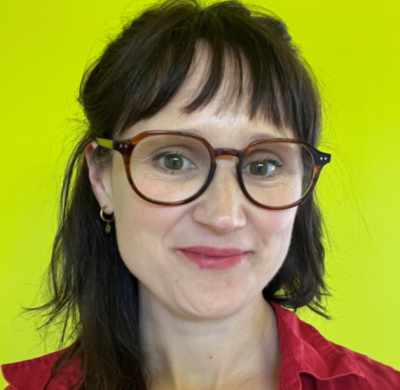
Q: How do you see Equally Well benefiting carers/consumers/practitioners?
A: From a nurse practitioner viewpoint, a platform like Equally Well allows for a greater capacity to deliver more targeted, culturally and age-appropriate care. For example, often standard pathways of care are not efficient in providing care to hard to reach or underserved populations. Being creative in how you can imbed care delivery within your organisation is sometimes the answer. If something has worked in another healthcare organisation, this is a quick way to spruik your wins (and similarly what wasn’t worked).
Q: What hurdles do you currently see Equally Well facing and will have to face in the future? Is there a particular area you believe needs more focus that Equally Well can develop on?
A: Poverty impacts physical and mental health and makes it challenging to focus on long term healthy behaviours. I.e. money prevents people from seeing a GP or dentist regularly, food and housing insecurity issues are common in addition to prescriptions not always being filled as young people are attempting to cover other essential living costs. Equally Well is a platform that can advocate for the systemic changes needed in Australia for improved access to free or affordable quality primary health care for mental health consumers.
Q: What have you personally learnt and has this knowledge impacted your life and/or the lives of those around you?
A: I love the saying, “perfection is the enemy of good”. How humans make long term behaviour change stick is interesting. Whether it’s in my own life or when working with a patient, its never making one big perfect change in your life that is impactful. It’s a handful of little positive changes in an individual’s life that make it possible to have the headspace to achieve a goal.
Q: As an Equally Well Ambassador, you are an advocate for improving the physical health of those who live with a mental illness, have there been any new developments or research in your area of interest?
A: Working in public youth mental health, food insecurity is an issue. Often, it’s challenging to identify malnutrition in young people, especially when its not in the context of an eating disorder such as anorexia, bulimia or ARFID.
Valuable dietetic research is currently being undertaken (yet still in its early stages) in partnership with Victoria University and Parkville Youth Mental Health and Wellbeing Service (PYMHWS). The project aims to identifying existing nutrition screening tools used in mental health populations, assess their population considerations and evaluate whether they capture nutritional risk factors specific to young people. The findings will then be applied to adapting an already existing tool.
Q: What do you see is your role for Equally Well as one of our ambassadors?
A: To continually advocate for young people with a mental illness to receive equal access to health care. I will use my affiliation with youth mental health and Victorian mental health nurse practitioners to help facilitate an effective collaboration with Equally Well.