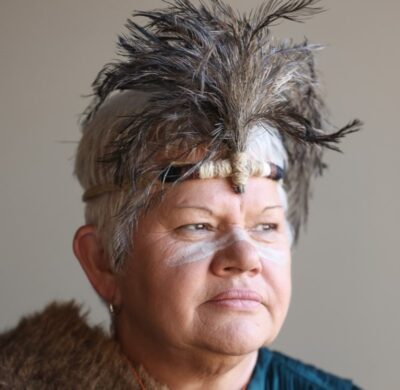
Q: How do you see Equally Well benefiting carers/consumers/practitioners?
A: Equally Well reflects what Aboriginal communities have long said: people want to be seen and treated as whole. It supports care that values culture, family and community alongside clinical needs. It also reinforces the importance of families and carers—often Elders and kin—being listened to and included. For practitioners, it provides a practical framework to challenge diagnostic overshadowing and work more collaboratively across sectors.
Q: What hurdles do you currently see Equally Well facing and will have to face in the future? Is there a particular area you believe needs more focus that Equally Well can develop on?
A: The biggest challenge is turning commitment into lasting change. I’ve seen strong intentions fall away when they’re not built into funding, workforce capability and daily practice. Another challenge is ensuring Aboriginal leadership is genuine, not tokenistic. Equally Well has an opportunity to keep strengthening Aboriginal governance and community-led, place-based approaches.
Q: What have you personally learnt and has this knowledge impacted your life and/or the lives of those around you?
A: My career has reinforced that poor physical health outcomes are not accidental they are shaped by systems that haven’t always worked for Aboriginal people. Understanding diagnostic overshadowing, racism and fragmentation has strengthened my resolve to advocate for reform at a system level, while always staying grounded in community, culture and strengths.
Q: As an Equally Well Ambassador, you are an advocate for improving the physical health of those who live with a mental illness, have there been any new developments or research in your area of interest?
A: As an advocate, I focus on lifting expectations for the physical health of people living with mental illness and calling out diagnostic overshadowing. Recent research continues to highlight high rates of cardiometabolic disease and preventable early death, reinforcing the need for integrated care. There is also growing recognition that culturally safe, Aboriginal led and trauma informed approaches improve engagement and outcomes. These developments align strongly with what Aboriginal communities have long called for system change, not individual blame.
Q: What do you see is your role for Equally Well as one of our ambassadors?
A: As an Equally Well Ambassador, I bring Aboriginal leadership, lived and professional experience, and system knowledge together. I see myself as a connector amplifying Aboriginal voices, supporting collaboration and challenging systems to do better. My focus is on embedding Equally Well principles into everyday practice, policy and planning, and reminding decision-makers that better outcomes are possible when we genuinely listen to community.