Back to ?p=8091

Connecting the Dots Between Women’s Physical and Mental Health

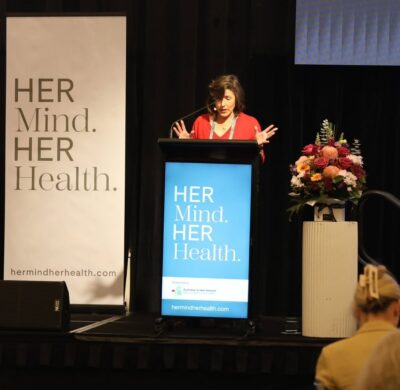
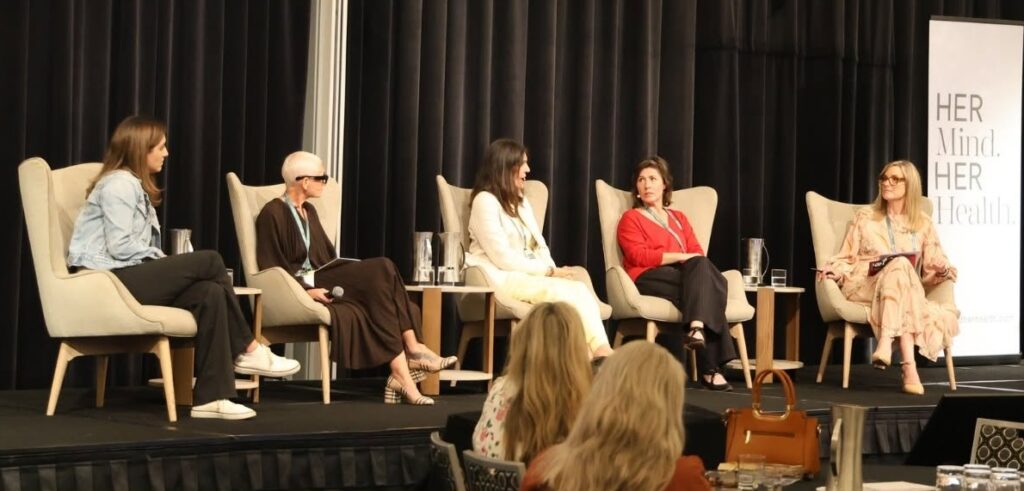
Our Ambassador, Shannon Harwood, presented at the recent HER Mind, HER Health Conference 2026, held on the Gold Coast in September. The conference focused on women’s mental health across the lifespan, exploring clinical blind spots, systemic challenges, and the often invisible burdens that affect women’s wellbeing.

With an audience already engaged in physical health and physiology as fundamental components of women’s mental health care, Shannon’s contribution highlighted critical issues, including the inequitable health outcomes experienced by women facing mental health challenges. For example, women with mental health conditions are to six times more likely to die prematurely from breast cancer, introducing the audience to the work of Equally Well and the resources available to through the Equally Network for advocacy and action.

As an advocate for metabolic treatment approaches for mental health, Shannon outlined the potential for ketogenic diets in mental health care and delved into metabolic disorder as a driver for conditions such as Polyendocrine metabolic ovarian syndrome PMOS (formerly known as PCOS), and the correlation that exists between gestational diabetes and post-partum depression.

785678118_1530614095765855_7621163861819655646_n

Challenging the notion that any medication can be truly named as “safe and effective”, Shannon highlighted the adverse mood effects associated with the contraceptive pill, and the blind spots that exists in current mental health care when this issue is overlooked.  Further, Shannon raised the issue that the increasing use of GLPs may entail especial consequences for women already at higher risk of osteoporosis and eating disorders.

A central theme of Shannon’s presentation was that women’s health cannot be understood through a single lens. Women’s bodies undergo unique physiological changes throughout their lives, and she advocated for healthcare providers to actively consider these complexities when delivering both physical and mental health care. Her key message: physical health and mental health are inseparable and must be addressed together to achieve better outcomes for women.